
All updates in January 2025 were for Worldly's Product Impact Calculator.
The Product Impact Calculator (PIC) updates this month simplify data management. These updates reduce the manual effort required to build and maintain your purchased goods inventory, and make it easier to calculate granular Scope 3 emissions.
Bulk upload a detailed Bill of Materials
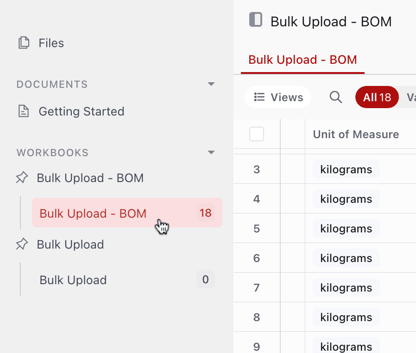
You can now add an unlimited number of materials, components, or packaging constituents to a product impact model. The “Bulk Upload - BOM” feature allows you to upload a file with all constituent items at once, simplifying the process for modeling complex products. Watch the video of how this works.
Make efficient revisions in bulk
You can now revise and update your product and purchase order data quickly and at scale. This enhancement allows you to bulk upload revised or missing data, making it easier to overwrite and correct missing or insufficient data in your Product Library
Better represent your product offerings
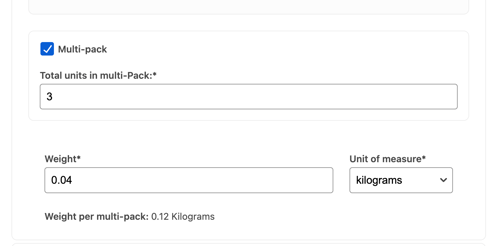
You can now indicate the number of units per product impact model, and the PIC will automatically adjust its weight while counting one packaging option for the model. This enhancement ensures that your Scope 3 calculations are more granular and representative of your physical product offerings.
Additional enhancements for improved usability
Recent enhancements to the Product Impact Calculator also include:
- Improved grouping design, making your data easier to read and compare
- Efficient bulk uploading process, with fewer data restrictions.
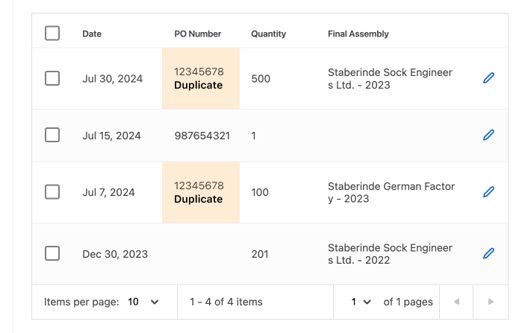
- New field to flag potential duplicates, helping you maintain a more accurate and reliable inventory
Together, these enhancements make it easier to manage your data, ensuring even that the PIC delivers fast Scope 3 data, at scale. By reducing your time spent on data management, you can focus on driving impact.